Walking Side by Side: A Reflection on Walk and Talk Therapy
Reflections by Heidi Birr, Person-Centred Counsellor
Published: May 2026
As the weather begins to shift toward summer, I’ve been reflecting on the different ways people experience therapy.
For some, sitting indoors in a therapy room feels containing and supportive.
For others, being outside — walking side by side in nature — can feel more natural, grounding, or emotionally accessible.
This is one of the reasons I offer Walk and Talk Therapy as part of my counselling practice.
Therapy Beyond the Therapy Room
Traditional counselling often takes place seated face-to-face in a quiet room.
For many people, that feels safe and supportive.
But therapy does not always have to look one particular way.
Sometimes, movement and open space can soften the intensity that can come with sitting directly opposite another person.
Walking alongside someone rather than sitting across from them can feel:
- Less pressured
- More relaxed
- Easier to settle into
For some people, conversation flows more naturally while walking.
There can be something relieving about not needing to maintain eye contact, while still feeling heard and accompanied.
Nature As a Gentle Presence
One of the things I value about outdoor therapy is that nature asks very little from us.
There is no expectation to be anything other than how you are in that moment.
Nature is not trying to fix, analyse, or rush you.
It simply allows space.
I often think of nature as a quiet presence alongside the therapeutic relationship — something steady, grounding, and spacious.
The changing landscape, weather, light, and seasons can also gently mirror aspects of our own internal experience.
Not in a dramatic way.
But sometimes in ways that help us feel a little more connected to ourselves.
When Words Feel Difficult
At times, sitting indoors and speaking directly about emotions can feel overwhelming.
Especially if you are:
- Feeling anxious
- Emotionally stuck
- Processing grief or loss
- More comfortable moving than sitting still
Walking can create a different rhythm.
Moments of silence can feel more natural outdoors.
Conversation can pause and begin again without pressure.
Sometimes people find that thoughts emerge more freely when they are not trying so hard to “talk about themselves.”
The Importance of Pace
Walk and Talk Therapy is not about hiking or physical performance.
The pace is gentle and led collaboratively, with attention given to comfort, accessibility, and individual needs.
The focus remains the therapeutic relationship.
Walking simply becomes part of the environment in which that relationship develops.
Some sessions may involve more conversation.
Others may involve pauses, reflection, or simply noticing what is present in the moment.
There is no right way to do it.
A Different Kind of Space
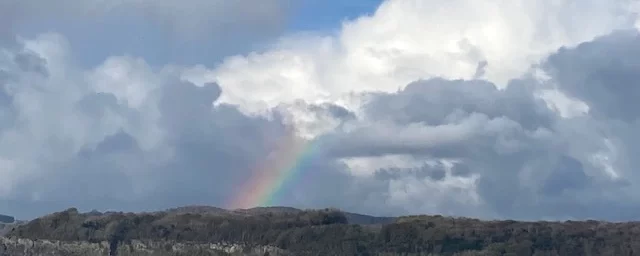
I feel fortunate to work in an area surrounded by countryside, open landscapes, and coastal beauty on the border between Lancashire and Cumbria, near Morecambe Bay.
These environments can offer a sense of perspective and breathing space that some people find supportive alongside counselling.
Not because nature removes difficulties.
But because being outdoors can sometimes help us feel a little less confined by them.
A Gentle Reflection
Therapy is not one-size-fits-all.
What feels supportive for one person may not feel right for another.
Walk and Talk Therapy offers an alternative way of experiencing counselling — one that can feel calmer, more spacious, and more connected to the natural world.
For some people, walking side by side can make it feel a little easier to begin.
Support
If this reflection resonates with you and you would like to explore counselling, including Walk and Talk Therapy, you are welcome to get in touch.
Further Help
If you are in immediate distress or need urgent support, you can contact:
- NHS urgent mental health helplines via NHS 111 (select the mental health option)
- Lancashire and South Cumbria Mental Health Urgent Response Line: 0800 953 0110 (available 24 hours a day, 7 days a week)
- Samaritans: 116 123